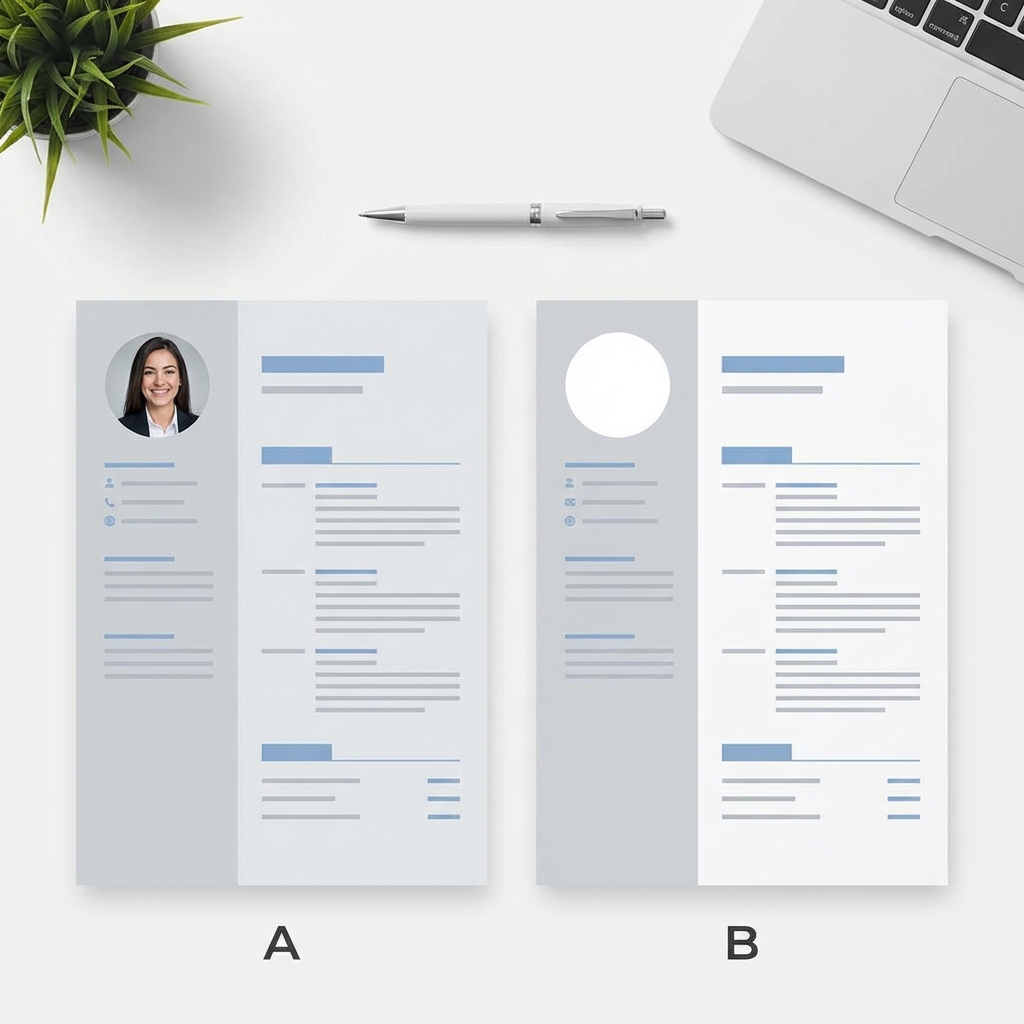
One of the most persistent questions in the world of recruitment is whether or not to include a headshot on your resume. In 2026, with the rise of AI-driven hiring and global workforce mobility, the answer is more nuanced than ever. Depending on where you live and what industry you're in, a photo could either be your best asset or the reason your application is instantly discarded.
The Global "No-Go" Zones
In many Western countries, the rule is strict: Do not include a photo. This is primarily due to strict anti-discrimination laws. Companies in these regions often have policies to reject resumes with photos to avoid any subconscious bias or legal complications regarding race, age, or gender.
- USA & Canada: Statically high rejection rate for resumes with photos.
- UK & Ireland: Photos are generally discouraged unless for acting/modeling.
- Australia: Follows the US/UK standard of photo-less resumes.
Pro Tip
If you are applying to a multinational corporation (MNC) anywhere in the world, play it safe and leave the photo off. They likely follow a standardized US/UK HR policy.
The Traditional "Photo Zones"
Conversely, in many parts of Europe and Asia, a photo is expected or even mandatory. In these cultures, a headshot is seen as a way to "put a face to the name" and build initial trust.
- Germany & Austria: The "Lebenslauf" traditionally includes a professional photo.
- France: While becoming less common, many recruiters still prefer seeing a photo.
- Japan & South Korea: Highly formal systems where a professional headshot is a standard requirement.
The 2026 Reality: The Rise of the LinkedIn Bridge
In 2026, your resume is no longer your only professional footprint. Most recruiters will automatically search for you on LinkedIn after reading your resume. This has led to the "LinkedIn Bridge" strategy: leave the photo off your resume but ensure your LinkedIn profile features a high-quality, professional headshot.
"Your resume is for your data; your LinkedIn is for your brand. Let the recruiter find your face where it's expected."
Pros and Cons of Resume Photos
The Pros:
- Humanizes your application: In creative or people-centric roles like sales or hospitality, it can help convey personality.
- Brand Consistency: If you're a high-profile executive, it aligns your resume with your public persona.
The Cons:
- Unconscious Bias: Humans are hardcoded to judge. A photo can trigger biases regarding age, attractiveness, or ethnicity before you've even had a chance to speak.
- ATS Compatibility: Some older Applicant Tracking Systems struggle to process image files, which might cause formatting errors in your text.
- Space Waste: Every square inch of your resume is precious. Is a photo more important than another project or skill?
What if You Really Need a Photo?
If you decide that a photo is necessary (for example, applying for a luxury hospitality role in Dubai or a sales position in Paris), don't just use a selfie from your gallery. Today, you don't even need a professional photographer. Tools like AI Headshot Generators can transform a simple phone photo into a studio-quality professional portrait for a fraction of the cost.
Conclusion: Data Over Design
In 2026, the safest bet for 90% of job seekers is to skip the photo. Focus your energy on what matters most: quantifiable achievements, strategic keywords, and perfect formatting.
At CVByAI, we specialize in building resumes that focus on high-impact content and robot-safe structures. Our templates are designed to let your experience shine, whether or not you choose to add a face to the data.